

Polymarket has vowed to mount a legal challenge in France after the Autorité Nationale des Jeux issued an outright block of the platform, escalating a dispute that began in 2024 when the ANJ moved first to cut off financial transactions to the New York-based prediction market operator.
The firm argues the ANJ’s action overreaches, contending that the majority of French visitors access Polymarket solely to observe probability data rather than to trade. In a published statement, Polymarket said it was disappointed by what it described as the regulator’s sudden unilateral decision and confirmed it intends to pursue the matter through the French legal process.
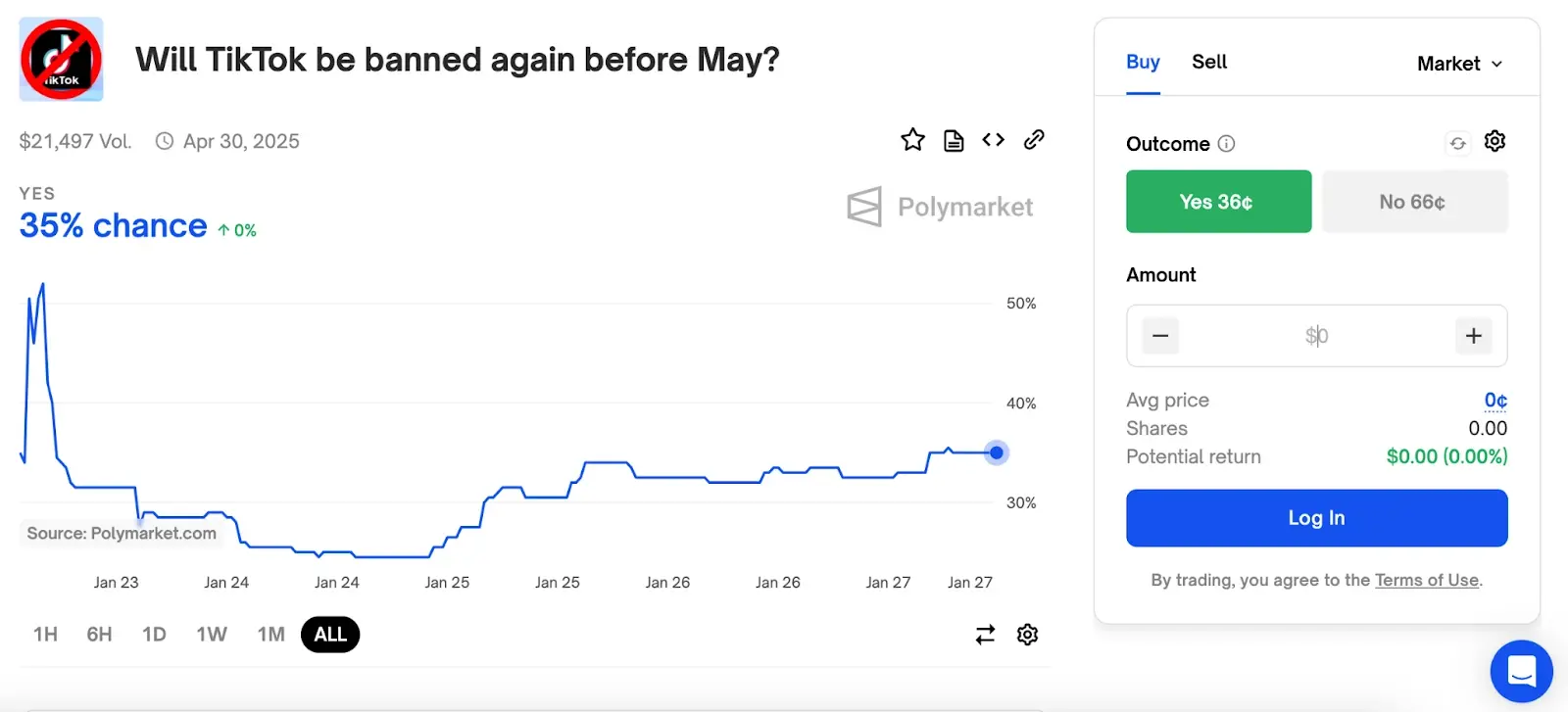
Polymarket has maintained that it complied with the 2024 transaction block by preventing French users from depositing and trading, while continuing to allow read-only access on the basis that its platform functions as an information source. The ANJ’s position, articulated clearly as far back as February, is that prediction markets constitute illegal gambling under French law regardless of how operators characterise their service.
France in a Crowded Field
France is not the first jurisdiction to move against the platform. Polymarket has been blocked in Portugal, Romania, Italy, Belgium, the Netherlands, and Ukraine, among others in Europe, and has faced regulatory pressure in Singapore and South Korea. The firm was also shut out of its home market in the United States between 2022 and 2025 following a settlement with the Commodity Futures Trading Commission, before returning under CFTC oversight during the second Trump administration.
The regulatory picture is not uniformly hostile. Gibraltar this month became the first jurisdiction globally to establish a dedicated regulatory framework for prediction markets, distinct from existing gambling legislation – a development that points to at least some appetite for a more calibrated approach to the product category.
Polymarket has also confirmed it is engaging with the cybercrime unit of the Paris Public Prosecutor’s Office and says it wants to continue constructive discussions with French authorities even as it pursues the legal challenge.
The Cottrell Connection
Separate from the French regulatory dispute, Polymarket has been drawn into UK press coverage surrounding George Cottrell, the British financier and convicted wire fraudster known as ‘Posh George.’ In October 2024, more than $8m was deposited into a Polymarket account registered as “GCottrell93” from two crypto wallets and used to trade on a Donald Trump victory in the US presidential election, with winnings subsequently distributed to two different wallets.
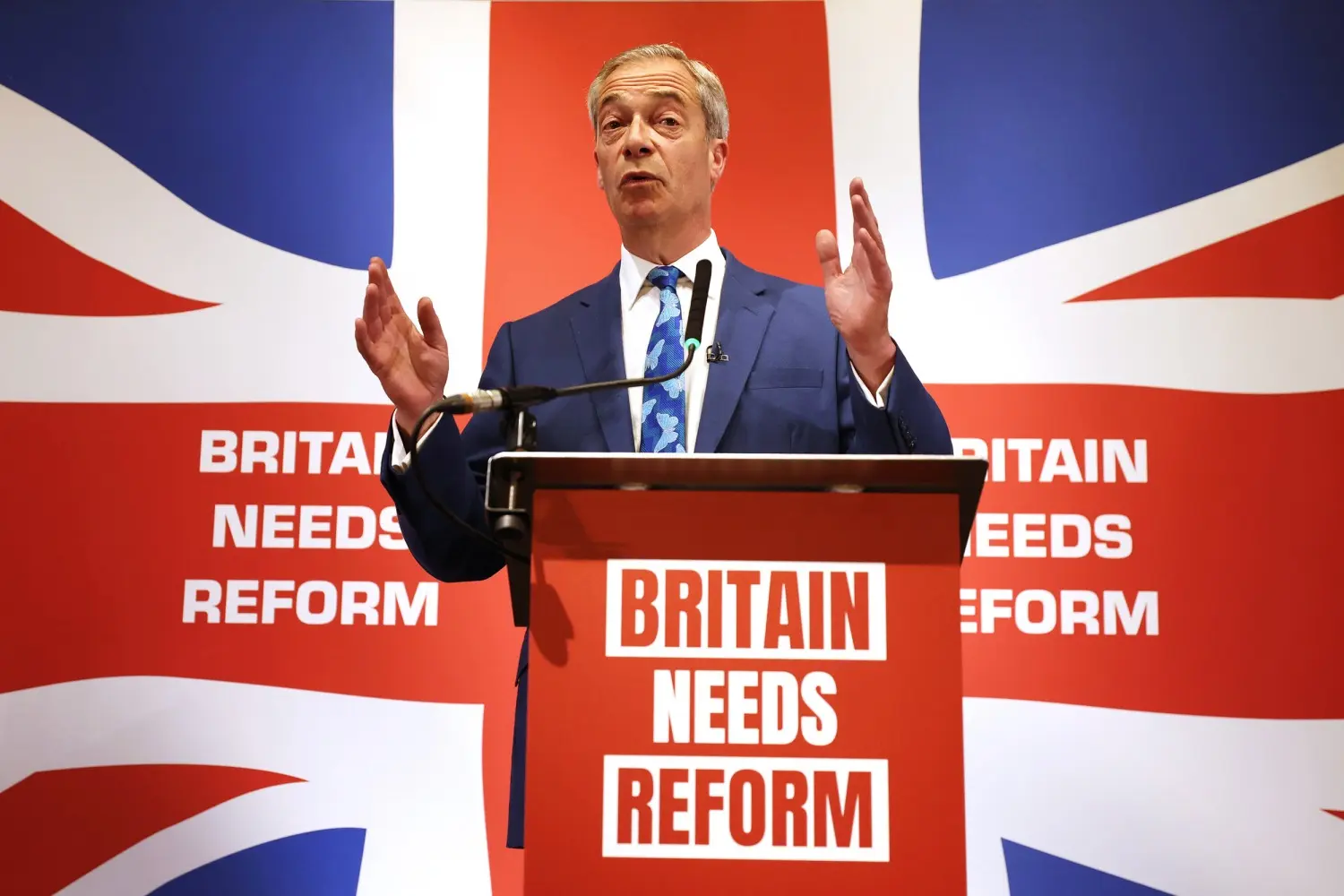
Cottrell’s name has featured prominently in British media in recent weeks due to his financial support for Reform UK leader Nigel Farage, and separately because police are investigating a £500,000 donation to Reform UK made by Cottrell’s mother, Fiona. Farage recently resigned as MP for Clacton after reports emerged that he had received and not declared a £5m crypto gift from billionaire Christopher Harborne, who holds a stake in Tether Limited. Polymarket is not accused of involvement in any financial irregularity, but the association with that coverage presents a reputational complication for a platform already navigating multiple regulatory fronts.
The broader commercial stakes remain substantial. Polymarket and rival Kalshi are valued at $15bn and $22bn respectively, with Kalshi reportedly eyeing a valuation of $40bn alongside a potential IPO – figures that underline how much capital is riding on the outcome of these regulatory confrontations. US state-level blocking actions against Polymarket have demonstrated that even a more permissive federal posture does not guarantee smooth domestic operations, let alone European market access.
Source: SBC News

Renata Kovacs has spent the better part of a decade following the regulatory shifts and licensing battles that define how gambling markets open, close, and evolve across Europe and beyond. She came up through the legal and compliance side of the industry before shifting her focus to journalism and analysis, giving her a perspective that sits closer to the operator room than the press box. Her coverage tends to cut through the noise and get straight to what a regulatory change actually means for the businesses and players involved.