

CME Group CEO Terry Duffy told the Commodity Futures Trading Commission on Thursday that the agency has cleared contracts traders can manipulate. Chairman Michael Selig interrupted and called the claim fake news. The exchange took place in Washington at the first meeting of the CFTC’s 35-member Innovation Advisory Committee, which Selig assembled in February and which includes the chief executives of Kalshi, Polymarket and DraftKings.
Duffy said roughly 2,500 self-certifications have reached the CFTC since January 2025, with none opposed. Self-certification allows an exchange to file a contract, attest that it complies with the law and list it without affirmative commission sign-off. Duffy argued that some filings violate core principle 3, which bars contracts readily susceptible to manipulation.
He cited two cases: a Fort Bragg soldier who turned $33,034 into $409,881 on Polymarket bets about U.S. military action against Venezuela while holding classified details, a case the Department of Justice charged in April; and a Trump teleprompter operator who cleared more than $100,000 on Kalshi trades concerning what the president would say. Kalshi’s surveillance team flagged the activity and reported it to the agency, according to ABC News.
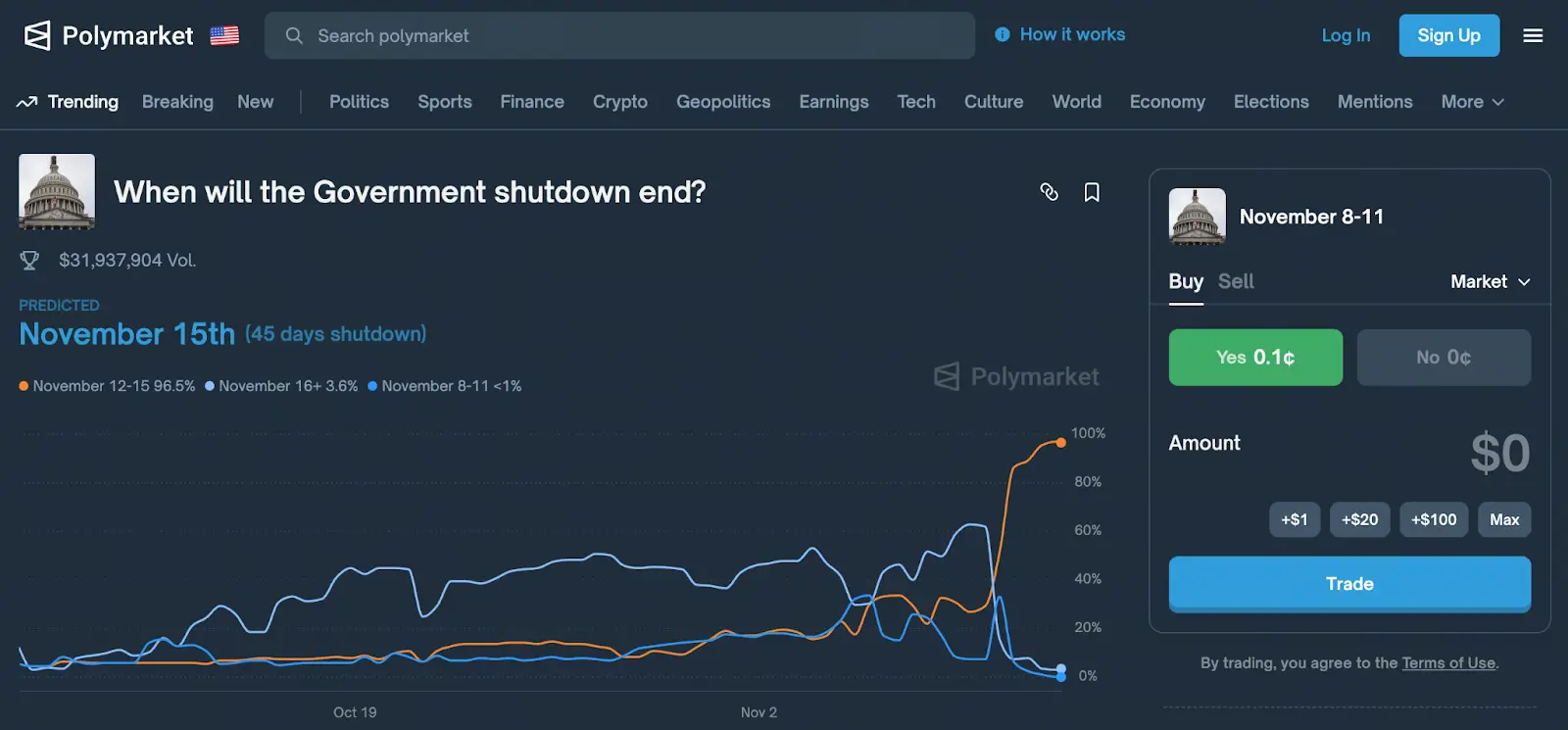
Selig interrupted before Duffy finished, saying the products were not listed in the United States, had never been listed there and involved offshore activity. Duffy described that as a cute comment and acknowledged that the Maduro-related market ran on offshore Polymarket. He said the teleprompter trades occurred on Kalshi, an exchange designated and overseen by the CFTC.
The dispute also involved products tied to computing costs. Kalshi has traded contracts on Nvidia chip rental costs since July, while CME’s compute-futures launch, targeted for October 5, sits behind a 60-day public-comment window the CFTC opened in August. The comment period would close after CME’s target date. Duffy also noted Cantor Fitzgerald’s move into institutional Kalshi trading on the same day.
CME has taken its grievances to court, suing the CFTC in June over Kalshi’s Bitcoin perpetual contract. CME argued that the agency had rubber-stamped Kalshi’s reasoning on a product that cleared $1 billion in volume in its first week. Duffy also pressed the panel on offshore venues, asking what the commission was doing to police VPN use and naming Hyperliquid directly.

Duffy’s position is complicated by CME’s own history: it self-certified its first Bitcoin futures in December 2017 using the same process he now criticizes, with his signature on the announcement. Selig is the CFTC’s only sitting commissioner amid four vacant seats. The advisory committee cannot write rules, while Selig can act alone, and comment periods concerning CME filings were due to close within weeks.
The exchange highlighted competing views over oversight of event contracts and the risks of potentially manipulable markets.
Source: BeInCrypto

Renata Kovacs has spent the better part of a decade following the regulatory shifts and licensing battles that define how gambling markets open, close, and evolve across Europe and beyond. She came up through the legal and compliance side of the industry before shifting her focus to journalism and analysis, giving her a perspective that sits closer to the operator room than the press box. Her coverage tends to cut through the noise and get straight to what a regulatory change actually means for the businesses and players involved.