

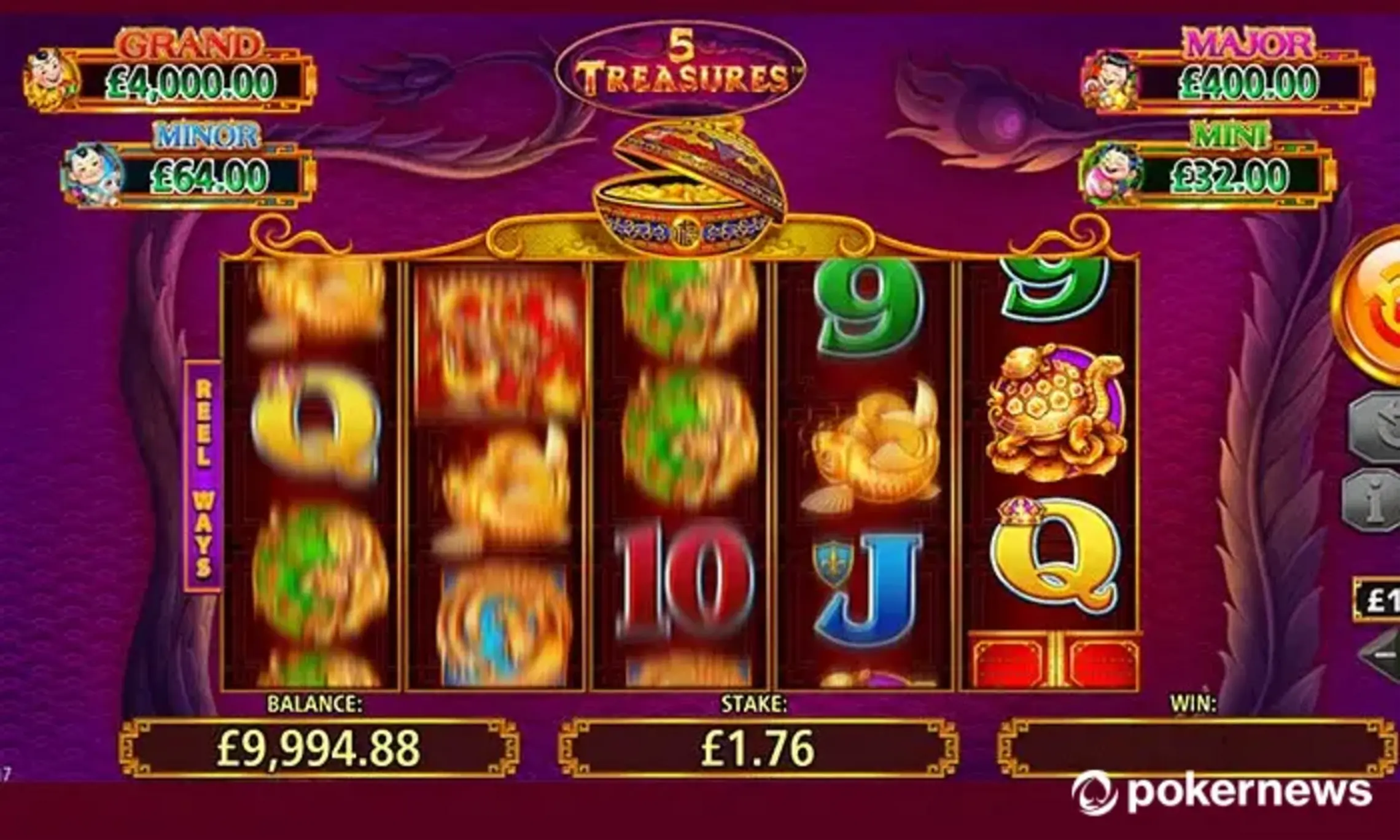
Germany’s Joint Gambling Authority of the Federal States (GGL) has lifted the long-standing €1-per-spin cap on online slots, introducing a tiered framework that allows licensed operators to offer stakes of up to €5 per spin for qualifying players, effective from 1 July 2026.
Under the new structure, the €1 limit remains the legal default. Operators approved by the GGL can raise stakes to €3 for players aged 21 or older, while the €5 ceiling is available only to customers who have shown no indicators of problematic gambling in the preceding 90 days. Both tiers require operators to carry out enhanced monitoring of player behaviour before and after any limit increase, with mandatory intervention – including direct contact, activity restrictions, or account suspension – if harmful patterns emerge.
Channelisation Pressure Drives the Change
The GGL framed the adjustment as a response to changing market conditions, citing the Interstate Treaty on Gambling’s objectives of maintaining player protection while sustaining a viable regulated market. In practice, the move reflects sustained industry pressure over what operators have long argued is a regulatory environment too restrictive to compete with unlicensed alternatives.
Simon Priglinger-Simader, senior regulatory affairs manager DACH at Entain Group and vice president of the German Online Casino Association (DOCV), said the states had shown willingness to reassess regulations where adjustments were needed. “We hope that this decision will encourage more players to return to the regulated market,” he told iGB. He was direct about what prompted the concession: “It’s clear that the states wouldn’t have made this change if they hadn’t seen the issue with channelisation and with the limited products we have been offering.”
The DOCV has previously put the online channelisation rate in the mid-double-digits – a figure that underscores how far the legal market has fallen short of the treaty’s objectives since GlüStV 2021 entered into force. The failure to retain players within the regulated ecosystem carries direct player protection consequences, an argument the industry has pressed consistently and one that now appears to be gaining traction with state representatives. The enforcement risks of inadequate monitoring systems, as demonstrated by cases such as Betfred’s settlement over monitoring failures in the UK, illustrate why the GGL’s accompanying oversight requirements carry weight beyond compliance formality.
Treaty Review Looms
The stake limit change arrives ahead of the first formal review of GlüStV 2021, which Germany’s 16 federal states are expected to conclude by year end. The review will assess whether the treaty has met its core objectives, with open questions remaining around deposit limits, the five-second spin rule, and the potential introduction of online table games.
Luka Andric, managing director of the German Sports Betting Association (DSWV), told iGB that awareness has grown among lawmakers that the current framework is not delivering a sufficiently attractive legal market. “Only a competitive legal market can keep players in a regulated environment and ensure effective protection,” he said, adding that rules proven ineffective on channelisation grounds need to be revised or removed.
The deposit regime remains a live issue. The current €1,000 monthly cross-operator cap – a model with parallels in Spain’s approach to cross-operator deposit controls – can be raised to €10,000 or €30,000 for a small subset of customers who pass affordability and creditworthiness screening. With the existing guidance expiring at year end and two prior amendment drafts having failed to secure majority approval from the states, a third attempt is expected to seek a middle path. Priglinger-Simader described a return to a blanket €1,000 cap as the worst-case outcome. According to the DOCV, most licensed operators have already begun implementing the higher stake tiers alongside the required player tracking infrastructure.
Source: iGaming Business

Renata Kovacs has spent the better part of a decade following the regulatory shifts and licensing battles that define how gambling markets open, close, and evolve across Europe and beyond. She came up through the legal and compliance side of the industry before shifting her focus to journalism and analysis, giving her a perspective that sits closer to the operator room than the press box. Her coverage tends to cut through the noise and get straight to what a regulatory change actually means for the businesses and players involved.