

Kansas sports betting recorded its first sustained year-over-year handle contraction after Missouri launched its digital market on December 1, 2025, with January 2026 delivering the sharpest blow at a 24.69% YoY decline, according to data from the Kansas Lottery.
The drop ended a prolonged growth streak. Across the December-to-May betting cycle, Kansas handle had averaged a 28.96% YoY increase in 2024 and a 9.33% gain in 2025. The same six-month window in 2026 produced an average decline of 13.45%, the market’s first sustained downturn since launch in September 2022.
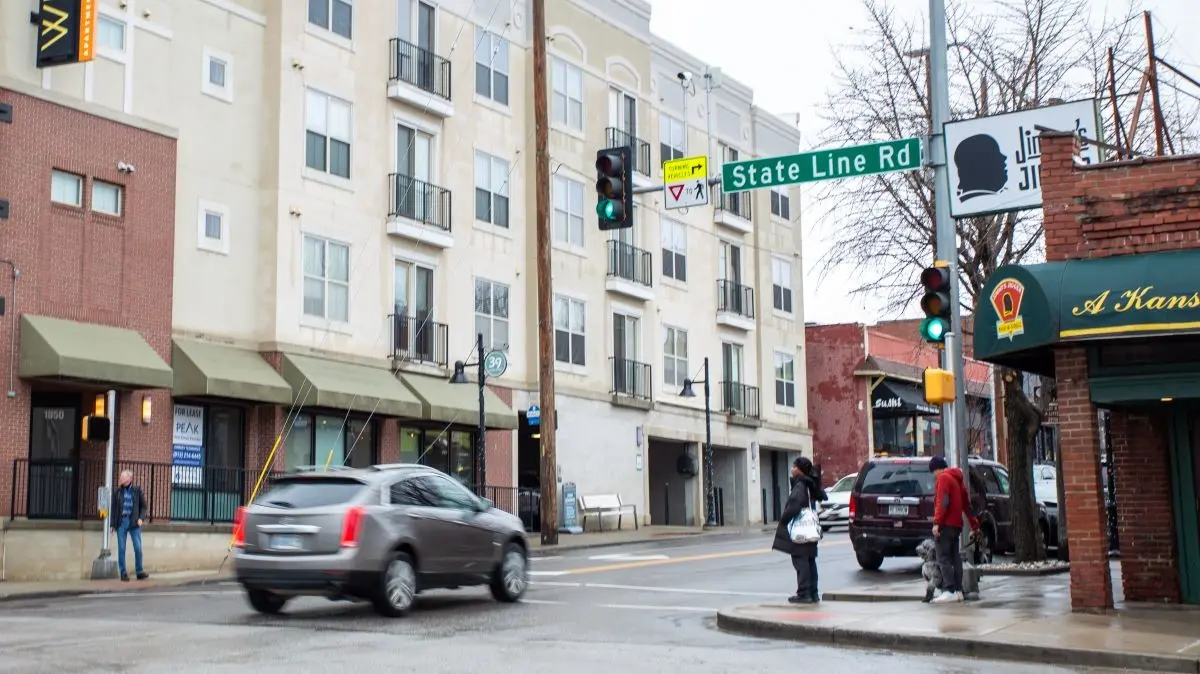
The underlying driver was well-documented before Missouri’s market went live. GeoComply data had consistently flagged heavy wagering activity along the I-35 corridor and the Kansas City border, confirming that Missouri residents were routinely crossing into Kansas to place legal bets. Missouri’s digital rollout closed that arbitrage window immediately, permanently removing a segment of Kansas’s suburban handle that operators and regulators had long acknowledged was structurally borrowed.
Chiefs Absence Compounded the Border Loss
Border recapture was not the only pressure Kansas absorbed. The Kansas City Chiefs missed the NFL playoffs for the first time in a decade, stripping the region of its primary postseason wagering catalyst at precisely the moment Missouri’s new market was drawing activity back across the state line.

The Chiefs factor registered on both sides of the border. Missouri’s own fledgling market recorded a sharp 28% handle decline between January 2026 ($385.1 million) and February 2026 ($277.0 million) once the regular season concluded – a direct reflection of how dependent Midwest sports betting volumes are on postseason football involving the region’s anchor franchise.
Once the promo-heavy January launch period is stripped out, Kansas’s YoY decline settled into a steadier average of -11.20% across February through May. That softer figure isolates what analysts would characterise as the structural baseline impact of the new border competition, separate from the acute drag of a Chiefs-free playoff bracket.
A New Baseline for Kansas Operators
The six-month data pattern suggests Kansas sportsbooks are now operating in a structurally smaller territory, reliant on organic in-state demand rather than cross-border volume that was always contingent on Missouri’s regulatory status. February came in at -12.12% YoY, March at -6.51%, April at -13.68%, and May at -15.82%, indicating no meaningful recovery through the spring.
Kansas’s legislative framework adds another variable. The state’s lottery-managed sportsbook model and its contract renewal restrictions – which run through June 30, 2026 – leave the market’s operator structure unsettled at the same time it is absorbing a permanent geographic realignment. How quickly Kansas can build an organic, in-state handle base will determine whether the contraction stabilises or deepens into the next fiscal year.
Source: Sports Handle

Petra Vanhoof has spent the better part of a decade following the shifting tides of gambling regulation across Europe and beyond. She came up through the compliance side of the industry before pivoting to writing, which gives her a grounded, no-nonsense perspective on the rules, loopholes, and political maneuvering that shape how operators actually do business. She is particularly drawn to the gap between what regulators say and what the market ends up doing in response.