

The UK’s Department for Culture, Media and Sport has confirmed a second consultation on banning sponsorship and advertising by unlicensed gambling operators in Great Britain, with the proposed scope extended to cover non-sport sectors and a target implementation date of August 2027.
The announcement, following an initial consultation in February, sets out plans to use secondary legislation under the Gambling Act 2005 to criminalise promotion of unlicensed operators. Liability would extend to clubs, leagues, events, venues, and any other parties displaying such advertising – and DCMS stressed the ban would apply across all sectors to prevent unlicensed operators from migrating spend from sport into music venues, cultural events, or other prominent platforms.
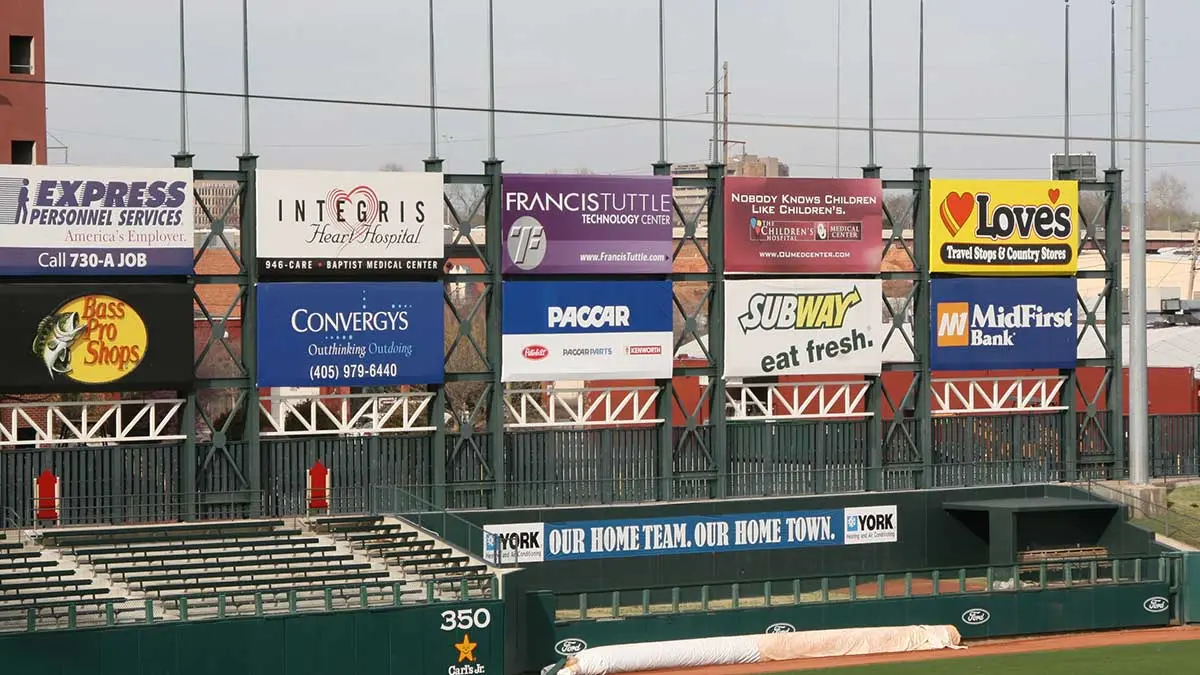
Physical advertising assets are at the centre of the proposed prohibition, including pitch-side hoardings, tournament programmes, kit and equipment sponsorship, and venue naming rights. The consultation does not currently propose extending the ban to online or broadcast advertising, which would require primary legislation.
White Labels and Implementation Timelines
White-label partnerships appear to sit outside the ban’s reach. Legal commentary cited by iGaming Business earlier this year held that the white-label model is not affected because a licensed entity is legitimately collecting revenue from British consumers in a compliant manner – a position the DCMS consultation appears to reflect.
Two implementation timelines are on the table. The preferred option sets a fixed start date of August 2027, ahead of the 2027/28 football season, requiring all physical advertising and sponsorship from unlicensed operators to cease by that date. An alternative would allow existing contracts to run to expiry with a hard cut-off of August 2028 for any deals signed before the ban comes into force.
The TGP Europe collapse in May 2025 sits as a central reference point for the reform. The Gambling Commission white-label holder was hit with a £3.3 million penalty and surrendered its licence after failing AML checks, leaving up to 29 white-label brands and associated football sponsorships in limbo. The episode sharpened regulatory and government focus on the risks posed by overseas betting brands gaining UK visibility without direct licensing obligations. The Commission’s broader enforcement posture – including expanded resourcing – has been documented in its ongoing enforcement strategy.
Industry Reaction and Commercial Impact
DCMS estimates that approximately 40% of Premier League clubs held sponsorship or advertising arrangements with unlicensed operators during the 2025/26 season. The scale of gambling’s footprint in top-flight football – over 5,000 visible gambling ads recorded during a single Premier League match in recent analysis – illustrates the commercial adjustment clubs face. Previous estimates have put the potential Premier League revenue shortfall from the front-of-shirt voluntary ban, which takes effect in 2026/27, at £80 million.
Entain, whose CEO Stella David called on the Independent Football Regulator to stop clubs from accepting unlicensed gambling sponsorships, welcomed the consultation. CEO Stella David said: “The government has rightly recognised that these sponsorship arrangements create risks for consumers and for sport.” David added: “The government has correctly identified the risks associated with unlicensed gambling sponsorship in sport, yet many of these same operators continue to reach consumers through online channels.”

Officials acknowledged the financial impact on smaller clubs reliant on gambling revenue and said they would seek evidence on contractual obligations and commercial disruption during the consultation period. Responses are due by 9 September, after which the government intends to finalise its regulatory approach before year-end.
Source: iGaming Business

When he is not analysing the latest compliance updates or dissecting quarterly operator results, Florian follows Bundesliga football closely and maintains a healthy skepticism toward anyone claiming to have cracked a winning betting system. He brings a grounded, insider-aware perspective to his writing and is always more interested in the structural story behind the headline than the headline itself.