
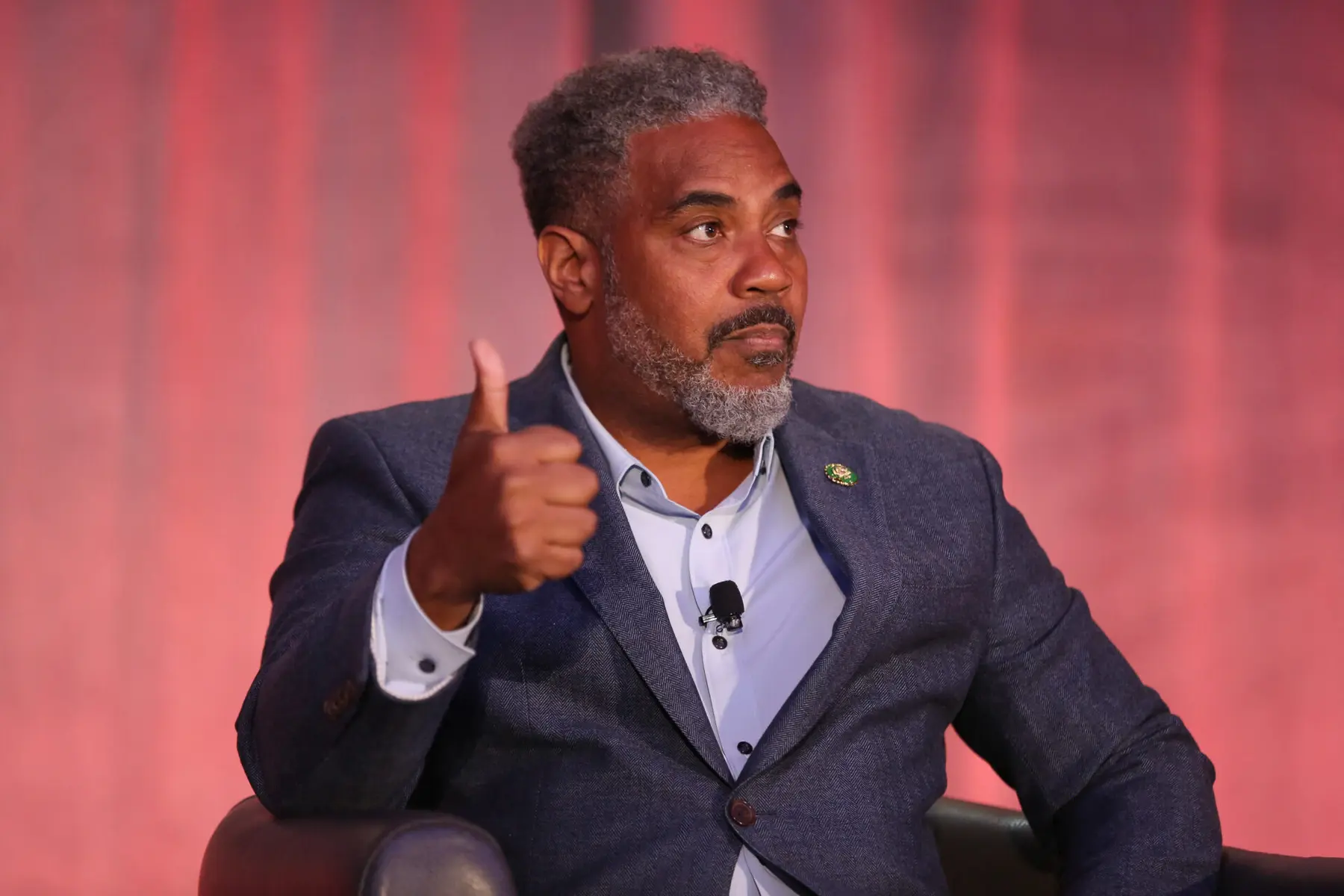
A bipartisan pair of Nevada House members, Reps. Steven Horsford (D) and Mark Amodei (R), have introduced the Prediction Markets Are Gambling Act, federal legislation that would prohibit CFTC-registered trading platforms from offering sports betting and casino-style contracts by drawing a clear line between gambling and hedging.
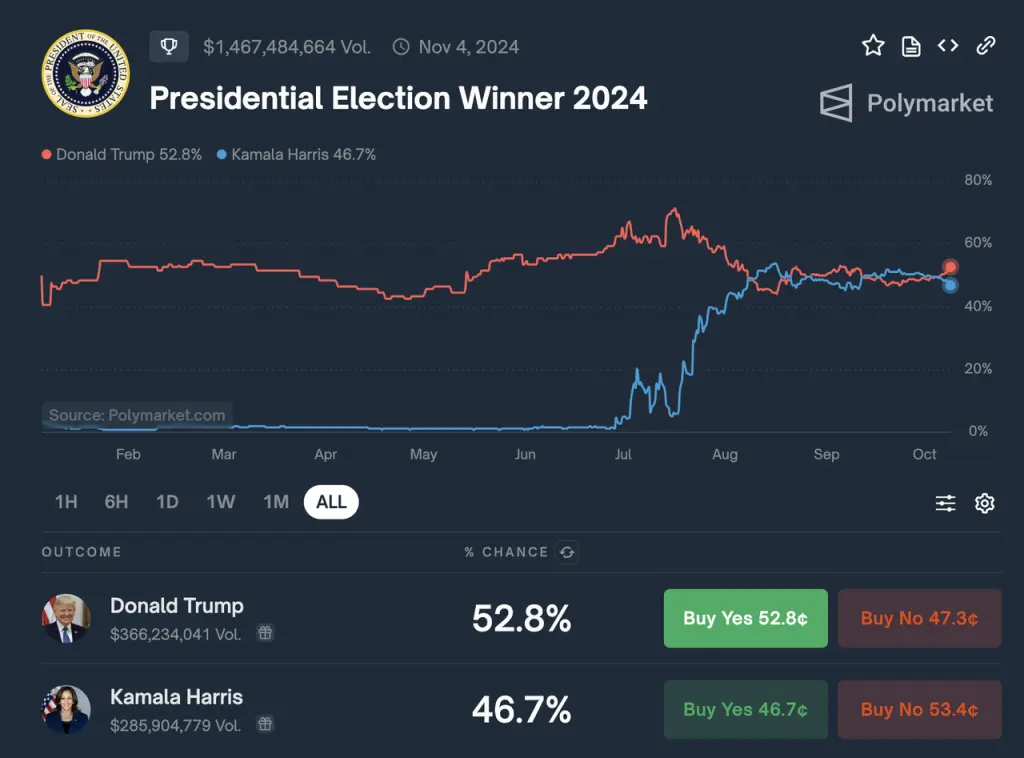
The bill targets what its sponsors describe as companies exploiting a federal loophole: companies operating products that function as sportsbook wagers while sheltering under CFTC oversight to sidestep state licensing requirements, consumer protections, and tax obligations that apply to every regulated gaming operator. The CFTC has maintained that its federal mandate supersedes state gaming authority, a position the legislation directly challenges.
Horsford, in a release accompanying the bill, said Nevada has always been the gold standard for gaming regulation, and described the loophole as having already cost states more than one billion dollars in lost gaming tax revenue. Amodei said the measure reflects that gaming policy has long been the responsibility of states and tribes, not unelected federal regulators, arguing that gaming policy has long been the responsibility of states and tribes rather than unelected federal regulators.
The House bill has a Senate companion introduced in March by Sens. Adam Schiff (D-Calif.), John Curtis (R-Utah), and Catherine Cortez Masto (D-Nev.). Schiff said sports prediction contracts are sports bets in all but name and accused the CFTC of not only failing to enforce existing law but actively promoting the growth of these markets. The bipartisan, bicameral structure of the effort signals that congressional appetite to resolve the issue through statute – rather than waiting on years of CFTC rulemaking or eventual Supreme Court adjudication – is real.
Legislation’s Scope
The bill draws a statutory line between banned gambling-style event contracts and permissible hedging instruments. Weather, economic, and similar bona fide derivatives remain under CFTC jurisdiction; a wager on the Super Bowl does not become a financial product because it is routed through a trading app. The bill also includes an explicit rule of construction preserving state and tribal authority over gaming, including an explicit rule of construction that nothing in federal law preempts state or tribal authority over gaming.
The Nevada Gaming Control Board has been pursuing enforcement against platforms including KalshiEx LLC and Polymarket for more than a year, with limited success reflecting the jurisdictional complexity the bill aims to cut through. underscoring that the bills are intended to stop these illegal markets nationwide.
Industry and Labor Support
The American Gaming Association backed the bill, with President and CEO Bill Miller saying it reinforces congressional intent that gaming is governed by state and tribal law. The Culinary Union Secretary-Treasurer Ted Pappageorge said prediction markets threaten the jobs of 60,000 Culinary Union members employed across Las Vegas Strip and Reno casino resorts, also voiced support.
The contrast with how other jurisdictions are approaching the sector is notable: By resolving the issue directly in statute, Congress avoids years of costly CFTC rulemaking and the litigation that would likely follow.

Petra Vanhoof has spent the better part of a decade following the shifting tides of gambling regulation across Europe and beyond. She came up through the compliance side of the industry before pivoting to writing, which gives her a grounded, no-nonsense perspective on the rules, loopholes, and political maneuvering that shape how operators actually do business. She is particularly drawn to the gap between what regulators say and what the market ends up doing in response.