
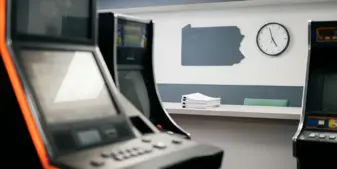
Rep. Russ Diamond (R-Lebanon) is proposing an update to Pennsylvania’s Gaming Act that would tax skill games at 20% and cut the tax rate on casino slot machines and online casino games to 49.9%, according to a news release cited by the Pennsylvania Capital-Star. Diamond said the package could deliver nearly $1 billion in additional property-tax relief, with the clock running out for skill-game operators ahead of an Oct. 13 deadline. The proposal would need to clear the General Assembly before skill games become illegal statewide, reshaping a market already central to Pennsylvania’s record gaming revenue figures.
The urgency traces to a Pennsylvania Supreme Court ruling in June that invalidated lower-court decisions excluding skill games from regulation under the Gaming Act and Crimes Code. The court stayed its own decision for four months, giving lawmakers a narrow window to act. Skill games – video devices that let players bet on a game of chance while offering a nominal skill-based path to recoup losses – have operated in a legal gray area for more than a decade across convenience stores, gas stations, private clubs and dedicated parlors, a situation that has also drawn scrutiny under broader gaming-machine compliance frameworks nationally.
A Crowded Legislative Field
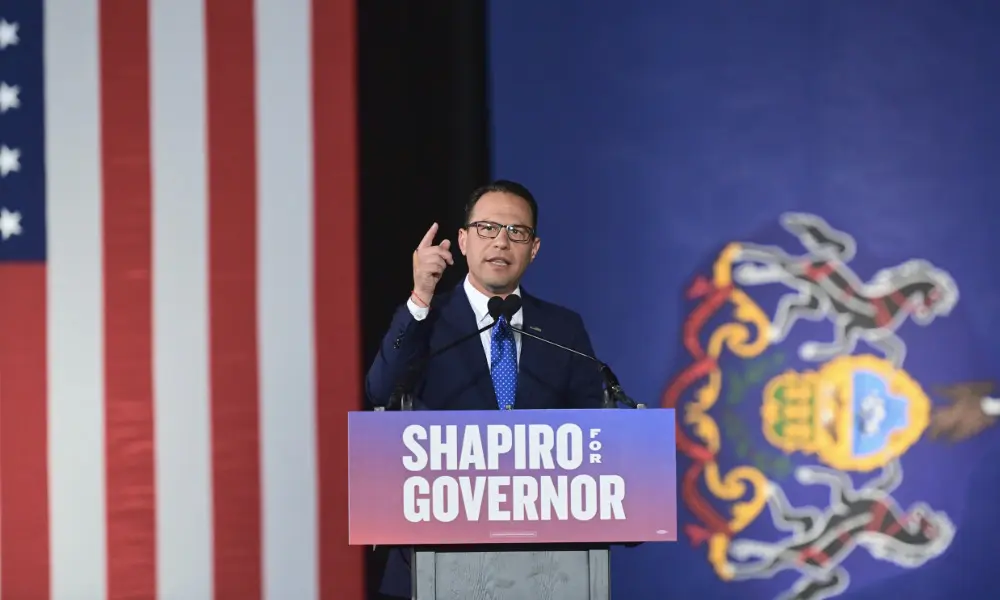
Gov. Josh Shapiro has proposed legalizing and taxing skill games in his last two budget addresses, but the legislature has repeatedly stalled over tax rate and structure. Pennsylvania’s casino industry, taxed at 55%, has lobbied hard against skill games and pushed for a comparable rate. Senate leaders backed a 35% plan, Sen. Gene Yaw sponsored a competing 16% proposal, and Yaw with Sen. Anthony Williams introduced a $500-per-machine monthly fee favored by the skill-game industry – underscoring how gaming-tax debates can ripple through state revenue projections well beyond a single bill.
Property Tax Dividend and Venue Limits
Diamond’s bills would establish a formula to maximize property-tax relief, fund the Race Horse Development Trust Fund, nearly double gambling-addiction treatment funding, and support the General Fund. Rather than folding relief into school property-tax bills, the plan would send a direct “gaming dividend” to 2.87 million qualified homeowners – at least $702 annually under a no-growth scenario, with Lebanon County residents seeing $459 to $602 depending on school district.
Machines would be capped at five per location, limited to clubs, liquor-licensed restaurants and bars, and qualified truck stops. Thousands of small businesses and organizations, including fire companies and American Legion posts, depend on skill-game revenue, though critics contend the machines are predatory, expose children to gambling, and contribute to crime near host locations.
Source: Pennsylvania Capital-Star, reported by Peter Hall, Sept. 1, 2026

Petra Vanhoof has spent the better part of a decade following the shifting tides of gambling regulation across Europe and beyond. She came up through the compliance side of the industry before pivoting to writing, which gives her a grounded, no-nonsense perspective on the rules, loopholes, and political maneuvering that shape how operators actually do business. She is particularly drawn to the gap between what regulators say and what the market ends up doing in response.