

A Ninth Circuit panel signaled on July 10, 2026 that it may preliminarily block Kalshi Inc. and Robinhood Markets Inc. from offering sports event contracts on tribal lands, with one judge stating that Kalshi’s contracts “sound like a bet” subject to Native American gaming laws, according to Law360.
The appeal arises from litigation brought by California tribes including Blue Lake Rancheria and Picayune Rancheria of Chukchansi Indians, who allege that Kalshi’s sports event contracts constitute Class III gaming under the Indian Gaming Regulatory Act and cannot lawfully be offered on reservation lands without a tribal-state compact and tribal regulatory oversight. A second judge on the panel added that it “wouldn’t be so unreasonable” to exclude tribes from the federal oversight framework applied to these contracts, signaling receptiveness to the tribes’ core jurisdictional argument.
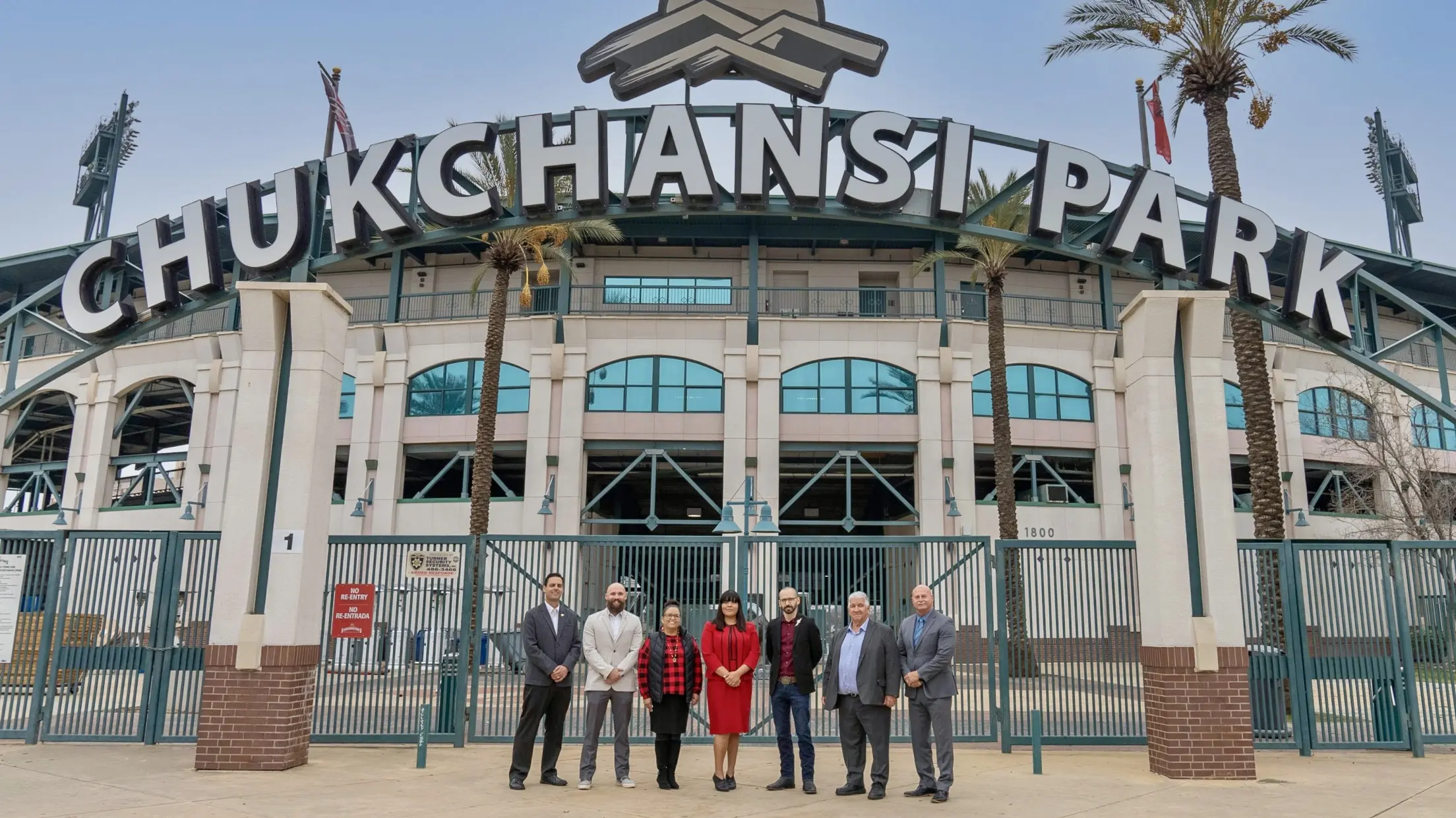
The tribes characterize Kalshi’s products as illegal, unregulated wagers dressed up as commodity futures, and are seeking injunctive relief that would require both platforms to geolocate tribal lands out of their market access.
A Pattern of Multi-Jurisdictional Pressure
The Ninth Circuit hearing is one front in a broader legal campaign against Kalshi’s expansion into sports-adjacent event contracts. The company has faced injunction attempts across multiple jurisdictions, and geolocation relief parallel to that now sought by the California tribes has featured in prior legal challenges. According to court records, a separate suit filed by Ho-Chunk Nation in the Western District of Wisconsin in August 2025 reportedly raises similar IGRA and RICO claims, which could make the Ninth Circuit’s preliminary-injunction ruling instructive for that proceeding.

The appellate argument also echoes earlier tribal litigation testing whether mobile betting platforms can operate on Indian lands without triggering IGRA’s compact requirements – a question that legal commentators note federal courts are simultaneously wrestling with across multiple jurisdictions.
For the prediction market sector, a preliminary injunction at the Ninth Circuit level would materially constrain Kalshi and Robinhood’s ability to serve users on reservation land while the underlying cases proceed, and would add appellate weight to the argument that sports event contracts fall within IGRA’s regulatory perimeter regardless of their CFTC registration status. District courts in the Northern District of California and Western District of Wisconsin still face motions on the merits, meaning the jurisdictional question is unlikely to resolve quickly.
Source: Law360, reporting by Dorothy Atkins (July 10, 2026)

When he is not analysing the latest compliance updates or dissecting quarterly operator results, Florian follows Bundesliga football closely and maintains a healthy skepticism toward anyone claiming to have cracked a winning betting system. He brings a grounded, insider-aware perspective to his writing and is always more interested in the structural story behind the headline than the headline itself.