

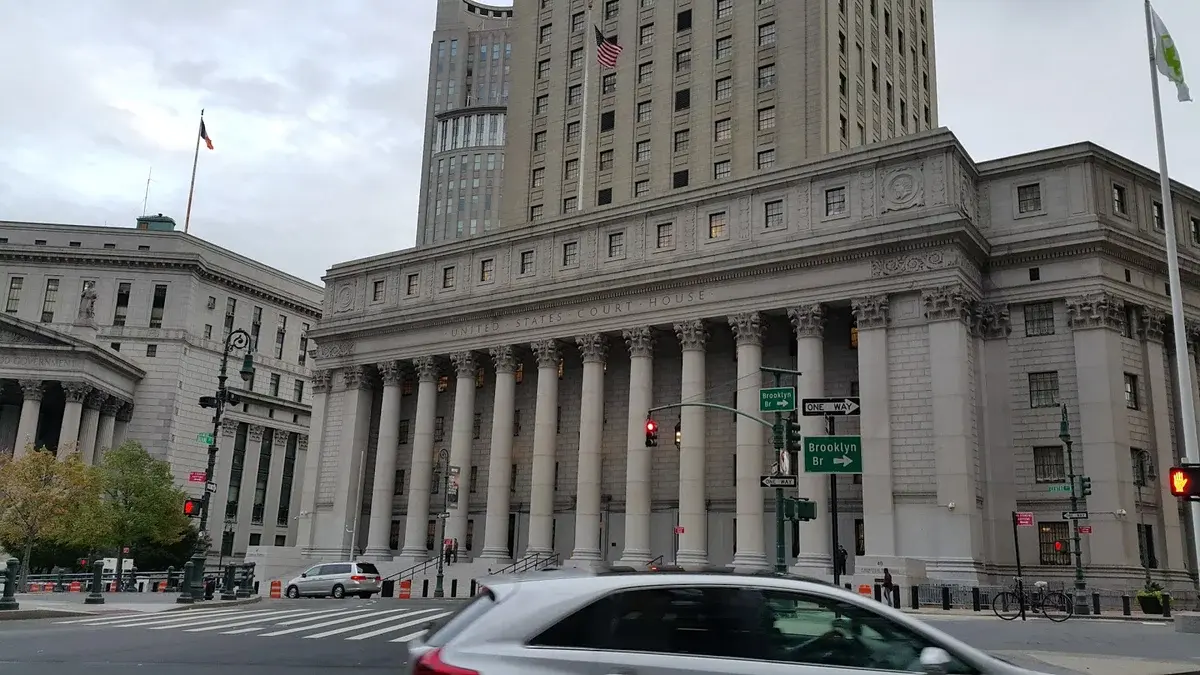
Federal Judge Analisa Torres denied Kalshi’s preliminary injunction in the Southern District of New York on July 8, delivering a significant legal setback to the prediction market platform in a jurisdiction that carries outsized weight for both financial regulation and parallel litigation.
Attorney Daniel Wallach, posting on X, described the outcome as a “major, major loss for Kalshi in the financial capital of the US, with likely knock-on effects in other cases (especially Connecticut and other SDNY lawsuits).” The framing points directly to the cascading risk: adverse rulings in the Southern District tend to reverberate through related federal proceedings, and Kalshi currently faces active litigation across multiple jurisdictions.
A Deteriorating Map for Kalshi
The SDNY denial adds to a growing list of state and federal trial court defeats for Kalshi even as it holds a significant appellate win. In April 2026, a divided Third Circuit panel held 2–1 that Kalshi’s sports event contracts qualify as swaps under the Commodity Exchange Act and are subject exclusively to CFTC oversight, blocking New Jersey from applying its gambling statute to the platform. That ruling remains Kalshi’s strongest legal asset.
Against it, trial courts in Maryland, Massachusetts, and Ohio have all declined to grant Kalshi injunctive relief, with judges in those cases concluding that state gambling authority can coexist with CFTC regulation rather than being displaced by it. A Suffolk County Superior Court judge in Massachusetts issued a preliminary injunction in January 2026 barring Kalshi from taking sports bets from in-state users without a gaming licence. Nevada, where a district court initially sided with Kalshi in April 2025, later reversed course when that injunction was dissolved after the court found the platform’s sports contracts fall under Nevada gaming law.

Kalshi has also been under active state enforcement pressure beyond the courthouse. Michigan’s Gaming Control Board and Attorney General have pursued enforcement action against the platform, underscoring the breadth of state-level resistance to Kalshi’s federal preemption argument.
What the SDNY Ruling Means
The denial does not resolve the underlying dispute – it means Kalshi failed to meet the threshold for emergency relief, including demonstrating a likelihood of success on the merits. That finding, in a jurisdiction presiding over what research suggests is a consolidated consumer class action alleging roughly $2 billion in sports wagers on the platform, will complicate Kalshi’s posture in those proceedings.
Kalshi’s federal preemption strategy in Ohio and other states rests on the same CEA supremacy argument that courts outside the Third Circuit continue to reject at the trial level. With a potential Fourth Circuit ruling still pending and the circuit split widening, the question of whether prediction market sports contracts are federally regulated derivatives or unlicensed gambling is heading toward a reckoning that no single district court – including the SDNY – can resolve alone.
Source: Daniel Wallach (@WALLACHLEGAL) on X

When he is not analysing the latest compliance updates or dissecting quarterly operator results, Florian follows Bundesliga football closely and maintains a healthy skepticism toward anyone claiming to have cracked a winning betting system. He brings a grounded, insider-aware perspective to his writing and is always more interested in the structural story behind the headline than the headline itself.