
Tribal gaming officials told the Senate Indian Affairs Committee on August 4 that sports event contracts regulated under the Commodity Exchange Act are functionally identical to sports wagers and threaten the framework established by the Indian Gaming Regulatory Act (IGRA). The roundtable brought tribal regulators, state officials and public health advocates into conflict with the Commodity Futures Trading Commission’s authority over sports-linked prediction markets.
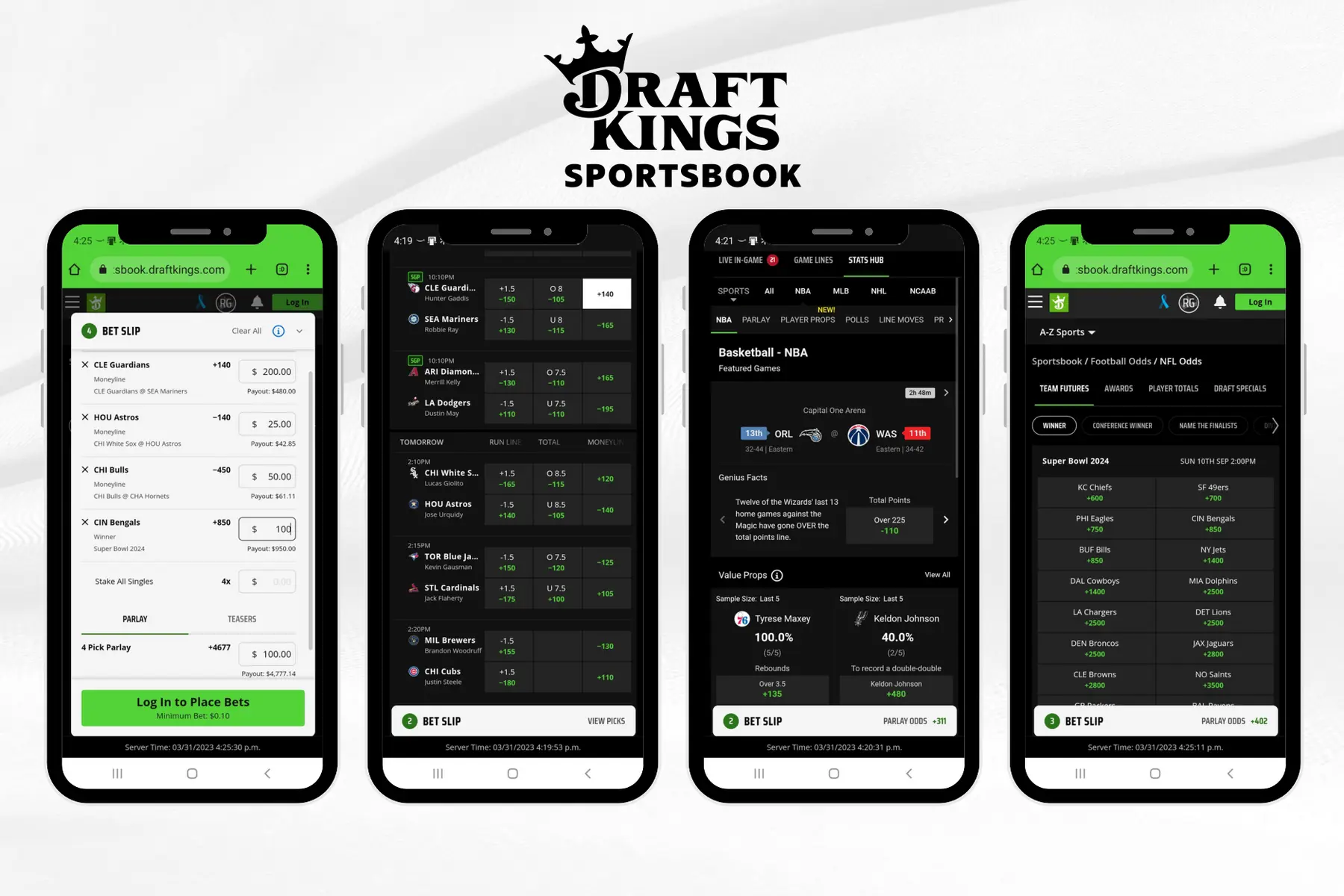
Jamie Hummingbird, chairman of the National Tribal Gaming Commissioners & Regulators, said sportsbook operators including DraftKings and FanDuel have treated prediction markets as an alternative to Nevada licensing. Tehassi Hill, vice chairman of the Indian Gaming Association and chairman of the Oneida Nation, said prediction platforms already offer money lines, totals, parlays and player props that mirror traditional sportsbooks. Hill said the platforms have not created a new type of product.
Hill told the committee that tribes spend more than $450 million annually and employ over 6,000 workers on licensing, age verification, audits and responsible gaming programs – obligations he said prediction-market operators avoid entirely. Committee Chair Sen. Lisa Murkowski noted tribal gaming generated a record $46.2 billion in gross gaming revenue in fiscal 2025, with an estimated $110 billion wider economic effect.
Classification Fight at the Center
Prediction-market operators describe sports event contracts as financial products under CFTC jurisdiction rather than wagers subject to state and tribal gaming law, a classification disputed by tribal leaders and several state officials. Mark Macarro, president of the National Congress of American Indians, argued the commodities framework was never intended to displace gambling regulation and criticized the absence of formal tribal consultation. Macarro said the CFTC must engage in meaningful consultation with tribal nations and described consultation as a legal and moral obligation owed to sovereign tribal governments.
Ohio Solicitor General Mathura Sridharan told the committee that gambling and financial-market regulation govern fundamentally different activity. She said a wager on whether Ohio State covers the spread does not manage commercial risk or facilitate price discovery. Her remarks echoed a letter from 44 state attorneys general urging the CFTC to withdraw its proposal, part of a broader wave of state-level resolutions opposing federal oversight of prediction markets.
Legislative Response Building
Tribal representatives called for passage of the bipartisan Prediction Markets Are Gambling Act (S. 4160), which would bar CFTC-regulated entities from offering sports and casino-style event contracts, and pressed Congress to clarify that commodities law does not override IGRA or tribal-state compacts. The dispute over whether sports contracts intrude on tribal gaming exclusivity now runs alongside separate concerns that decentralized-finance provisions in the pending CLARITY Act could open another route around gaming law. No CFTC or prediction-market representatives took part in the roundtable.
Source: Tribal Leaders Warn Congress Prediction Markets Bypass IGRA, gamblinginsider.com, August 6, 2026.

Petra Vanhoof has spent the better part of a decade following the shifting tides of gambling regulation across Europe and beyond. She came up through the compliance side of the industry before pivoting to writing, which gives her a grounded, no-nonsense perspective on the rules, loopholes, and political maneuvering that shape how operators actually do business. She is particularly drawn to the gap between what regulators say and what the market ends up doing in response.